Scene worksheet — Final hold and finish
Purpose: Let the final visual joke register and finish cleanly.
Coverage: Let the final relationship read, then finish on a deliberate image or optional short dialogue and call to action.
Critical review: Give the final beat enough time. Keep a dialogue ending separate from a story-ending hold; lower music under speech.
Reference candidates
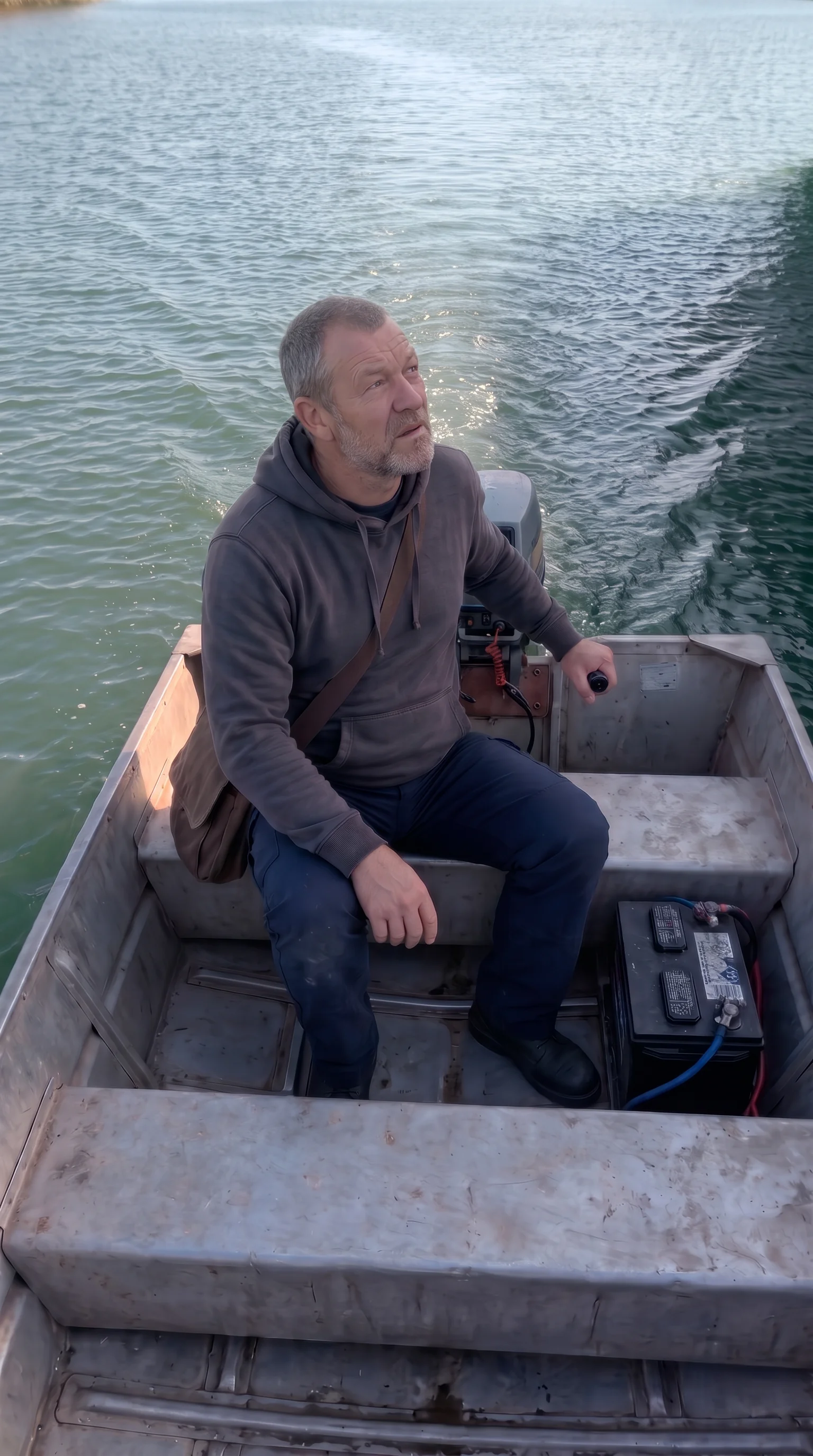
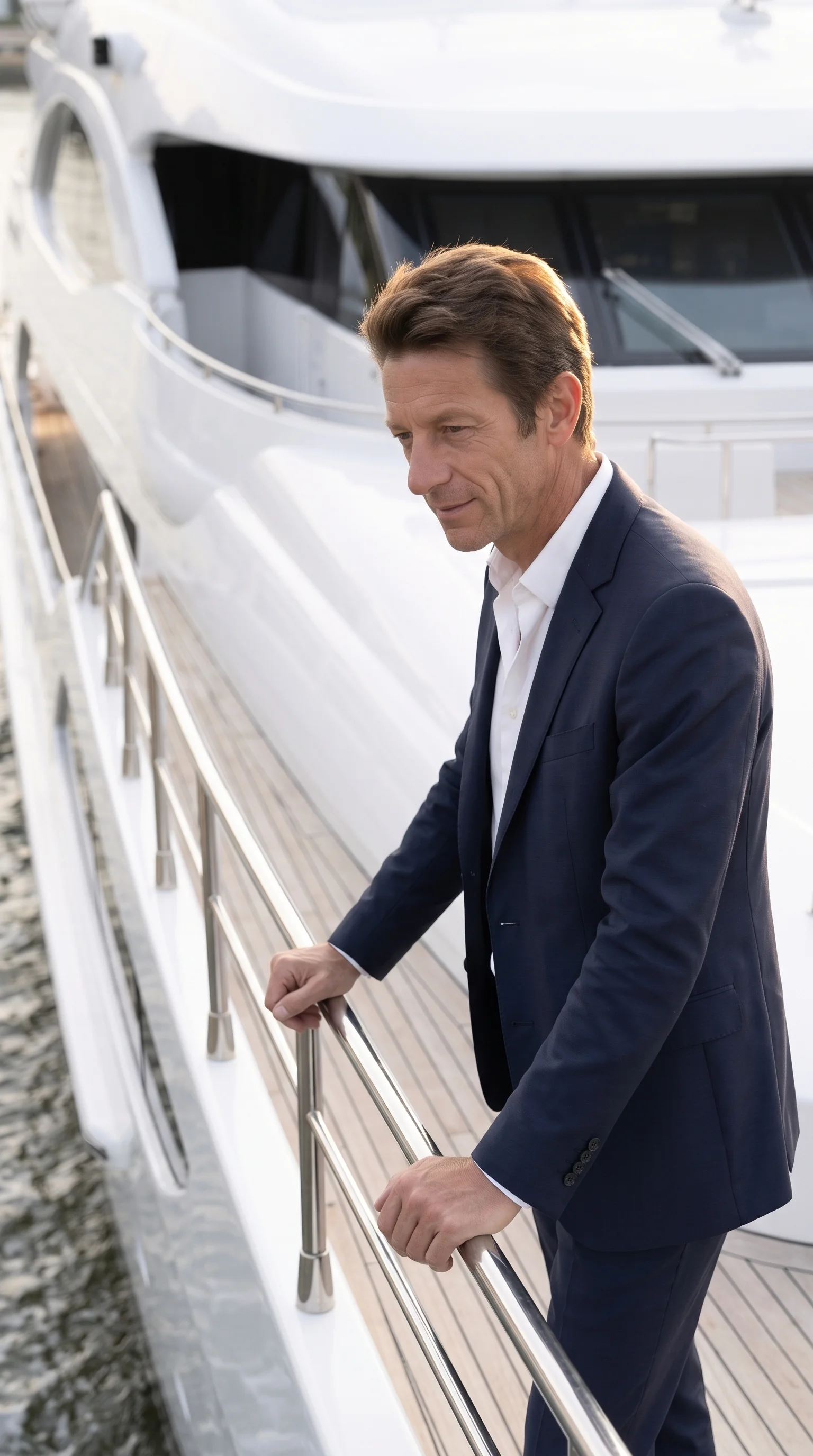
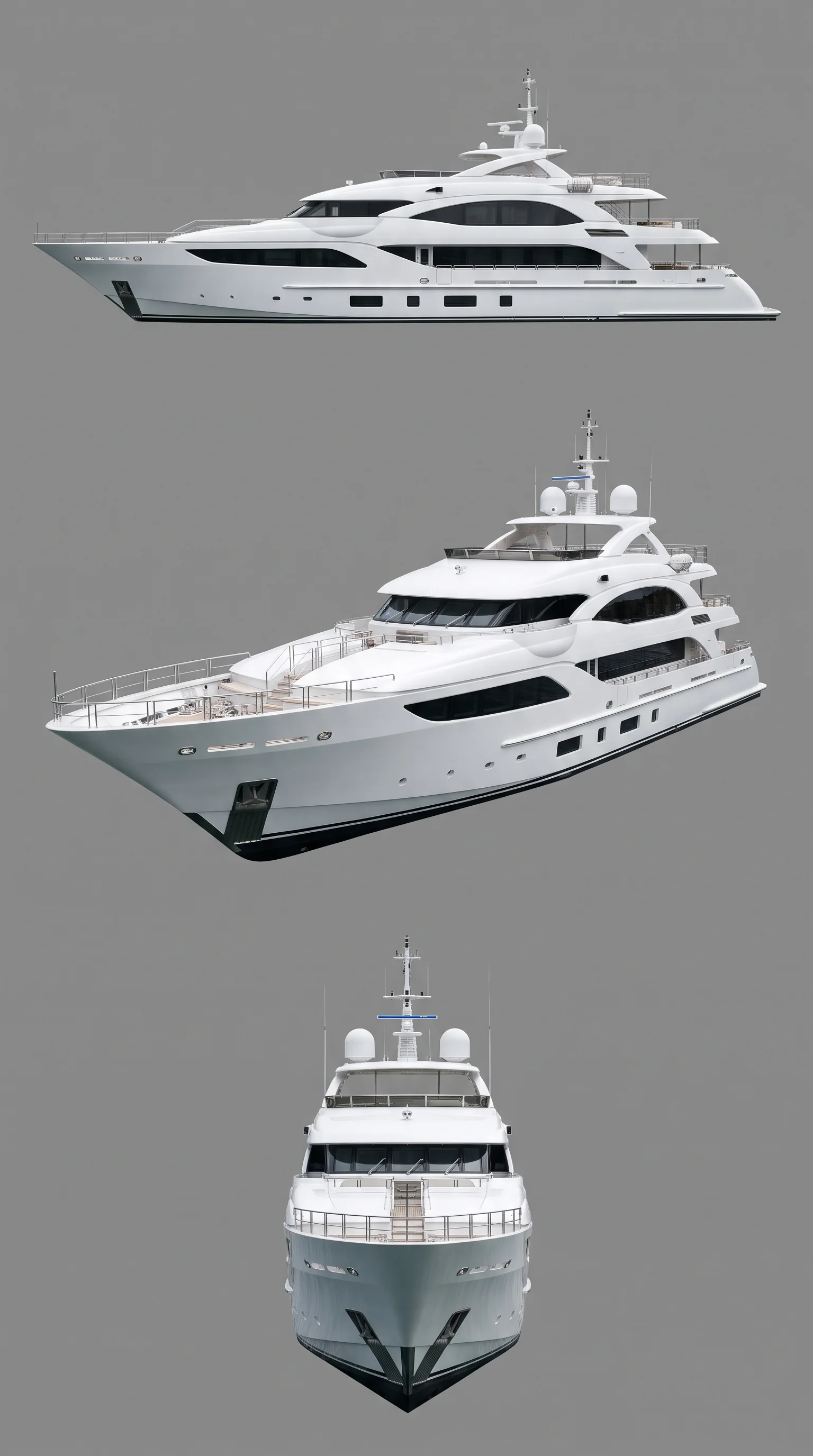
Scene record
- Starting state / visible change / ending state: ______
- Optional action-video role and source: ______
- Target duration: ______
- Model and output settings: ______
- Exact prompt version: ______
- Reference review and selection: ______
- Take selected / in and out points: ______
- Known issue explicitly accepted, if any: ______
- Reviewer and review date: ______
All 24 checks
| # | Check | What to inspect | Status | Actual evidence / revision |
|---|---|---|---|---|
| 1 | Scene purpose and coverage | Write the start, change and ending; list the necessary views. | Pending | — |
| 2 | Reference coverage | Identify the cast, location and necessary prop images. | Pending | — |
| 3 | Photographic character base | Inspect skin, face, hands and clothing in the source image. | Pending | — |
| 4 | Character views | Check identity across the required angles; record any missing coverage. | Pending | — |
| 5 | Location angle — optional choice | Explain why the angle communicates geography and depth. | Pending | — |
| 6 | Prop views and states | Confirm shape, scale, multiple useful angles and state changes. | Pending | — |
| 7 | Visual treatment image — optional | Give it a specific job, or record why the other images are sufficient. | Pending | — |
| 8 | Model adaptation | Check the selected model, available controls and feasible timing. | Pending | — |
| 9 | Reference role labels | Match image and optional video labels to attachment order; state what to ignore. | Pending | — |
| 10 | Literal visible action | Remove metaphor; use observable movements and contacts. | Pending | — |
| 11 | Separate needed views | Split reaction, observed object and close mechanics when needed. | Pending | — |
| 12 | Stable descriptors | Reuse exact identity, wardrobe, look and any voice descriptions. | Pending | — |
| 13 | Scene sound | Specify ambience, contact and any dialogue; keep score separate. | Pending | — |
| 14 | Prompt tool review — optional | Inspect generated prompt wording rather than trusting a template blindly. | Pending | — |
| 15 | Action load | Give every event enough time; split overloaded action or dialogue. | Pending | — |
| 16 | Reference lighting | Inspect shading and material response; rebuild weak source images. | Pending | — |
| 17 | Current creative brief | Confirm current cast, geometry, sun, dry conditions, framing and exclusions. | Pending | — |
| 18 | Actual reference review | Review the actual images before motion; record who chose them and why. | Pending | — |
| 19 | Coverage and continuity | Confirm the generated views exist and fit adjacent views. | Pending | — |
| 20 | Physical motion | Inspect contact before, during and after; check weight and support. | Pending | — |
| 21 | Lighting in motion | Check identity, skin, shadows, materials and exposure against references. | Pending | — |
| 22 | Normal-speed playback | Watch the assembled scene with sound; record specific observations. | Pending | — |
| 23 | Muted readability | Watch without sound; choice, action and consequence must remain clear. | Pending | — |
| 24 | Continuity at every cut | Check direction, eyelines, props, timing and sound. | Pending | — |
Editorial decision
Selected / revise / archive: ______
Reason and exact usable interval: ______
Next change, if needed: ______